Wholesale electricity in Greece climbed from 73.15 euros per MWh in August 2025 to 111.47 euros in October, a 52 percent jump in just two months. Add rising ingredient and rent costs, and the conclusion writes itself: raising menu prices is no longer a question of if. It is a question of how and when.
Your hesitation is reasonable. Restaurant turnover in Greece fell by 1.9 percent in the first quarter of 2026 and no owner wants to push guests away. The good news? Menu pricing is a craft you can learn. Here are 8 moves that let new prices land smoothly, without empty tables.
1. Break the menu price increase into small steps
A sudden 15 percent increase across the whole menu is instantly visible. Two or three small adjustments spread through the season, though, pass almost unnoticed. Guests remember the price of their coffee and their favourite dish, not the entire list. Start with the items where costs squeeze you hardest and leave the reference points, like espresso or the house salad, for last. Keep a simple change log too: what you changed, when, and how guests reacted. That way, updating your restaurant menu prices becomes a controlled process instead of a yearly shock.
2. Round with restraint
Prices ending in .90 still work, as long as you do not overdo it. A dish at 7.90 instead of 8.00 feels more approachable, while jumping straight from 7.50 to 9.00 shouts from across the room. Keep a sensible progression: from 7.50 to 7.90, then to 8.20 in a later round. Avoid 9.99 tricks that belong in a supermarket flyer, not on a restaurant table. Calm, clean menu pricing signals confidence. Guests feel they are paying for value, not falling into a marketing trap.
3. Rework portions and dishes
Before raising prices, take a look at portions and plate composition. A dish built around an expensive ingredient can come in two sizes, regular and small, so guests on a tighter budget still stay with you. You can also swap a costly side for one that is just as good but cheaper. Be transparent, though. If a portion shrinks, update the description too. People can smell hidden shrinkflation, and they forgive it far less easily than an honest increase. Offer clear choices, not quiet tricks.
A practical example: the shrimp risotto is pushing you over cost. Keep a version with seasonal mushrooms at the old price and offer the shrimp as an add on with a small extra charge. Guests choose for themselves what they pay, you protect your margin, and nobody feels they lost anything.
4. Cut unprofitable dishes instead of raising everything
An across the board menu price increase is the easiest option and usually the most damaging one. Every menu carries dishes that barely sell, tie up storage and leave waste behind. Remove them and keep prices steady where guests are most sensitive. Fewer dishes mean a faster kitchen, smaller supplier orders and tighter cost control. If your menu is digital, menu analytics show you which dishes people view and which they skip. Let the data make the call.
5. Launch new dishes with better margins
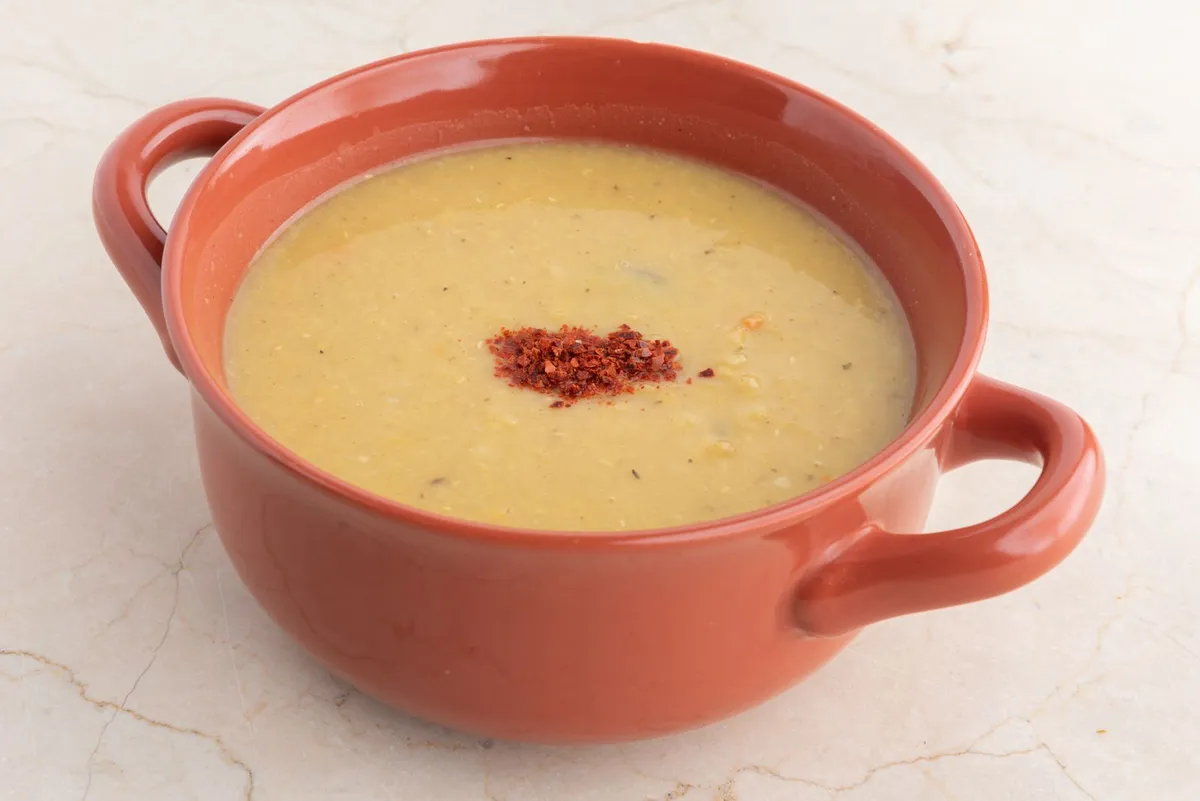
A new season calls for new flavours, and new dishes enter the menu with healthy margins from day one. You are not raising anything, you are launching. A hearty soup, a seasonal risotto or a warm dessert with low food cost lifts the average bill without touching a single existing price. Tie it into the wider refresh of your winter restaurant menu. Seasonality is the most natural showcase for better margins and gives guests something new to try and talk about.
6. Present prices the smart way
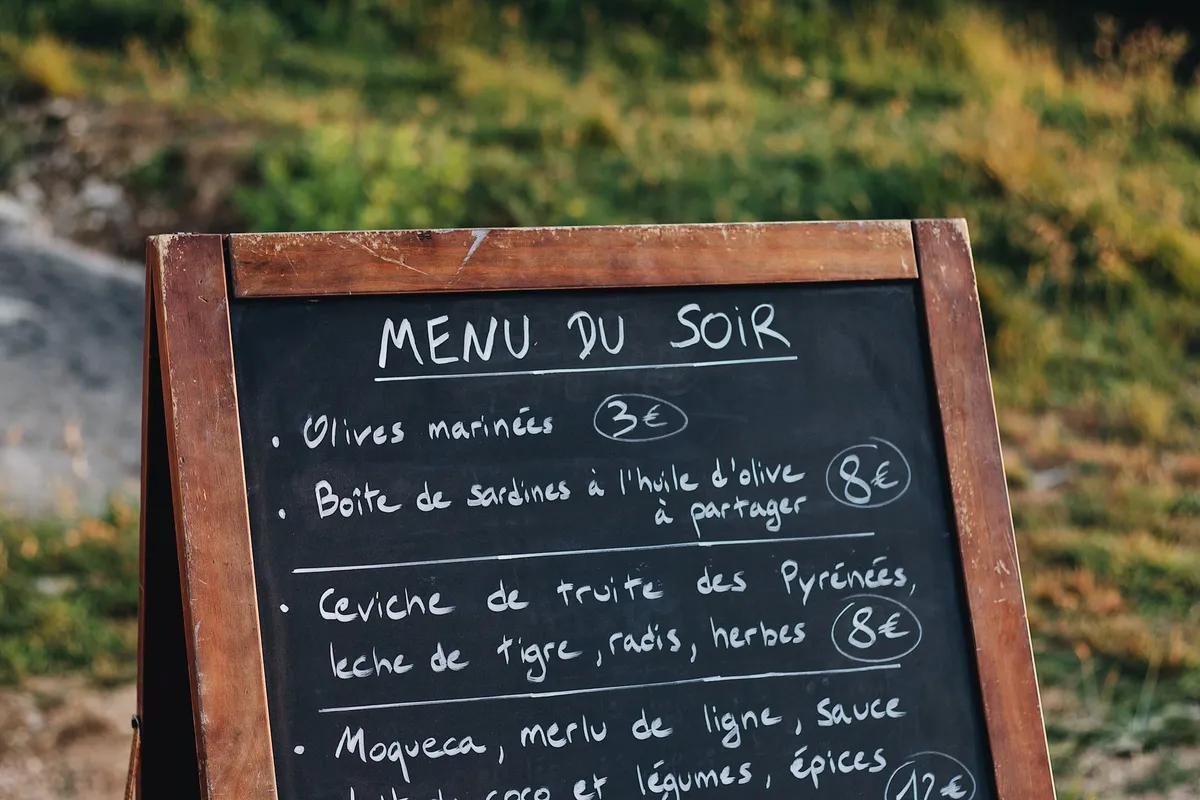
How you display a price matters almost as much as the number itself. You want the eye to land on the dish first and the price second. If your menu is digital, you can test different layouts at no cost and with no print shop. In the menu setup step you change category order, descriptions and photos in minutes. Keep the version that draws the eye to the dishes, not the numbers. A few simple design rules:
- Set prices in a quiet weight, with no bold type and no emphasised euro symbol.
- Drop the dotted lines that pull the eye straight to the numbers.
- Lead with the description and photo: once a guest wants the dish, the price becomes a detail.
- Keep the layout consistent across categories so no single price stands out awkwardly.
7. Pick the right moment: a season change is your ally
A change of season is the most natural opening for price updates in hospitality. When the menu turns over for winter, the menu price increase rides in with the new dishes and reads as a refresh, not a hike. Autumn is the turning point: energy costs climb towards winter and suppliers send out their new price lists. Do not wait for January to corner you against the wall. Lock in your winter menu prices now, with calculated food cost and a cool head, while you still have room to manoeuvre.
One more practical step: calculate the food cost of every dish on the new menu before you lock it in, not after. Add a rough energy cost per portion next to it and see which dishes can survive the winter. Whatever cannot handle it either changes composition or stays off the menu until spring. That way you know where you stand in advance and avoid rushed corrections mid season.
8. Update every channel instantly, with no reprinting
The worst moment of any price change is when a guest sees one price on the menu and another on the receipt. That is where trust breaks and where trouble with official price display rules begins. With printed menus, every change means reprinting, cost and days of waiting, so corrections often stay on paper. With a digital QR menu you change prices in seconds and guests always see the correct price on every scan. If you are wondering about the cost, read our detailed guide on how much a QR menu costs in 2026. It usually comes out cheaper than a single reprint.
Raise your prices with a plan
Raising menu prices needs no apologies and no hiding. It needs small steps, good timing and tools that let you move fast. Loudlink gives you unlimited real time price changes from 9 euros per month on annual billing. Take a look at the plans and pricing and head into winter with a menu that adapts as fast as your costs do.