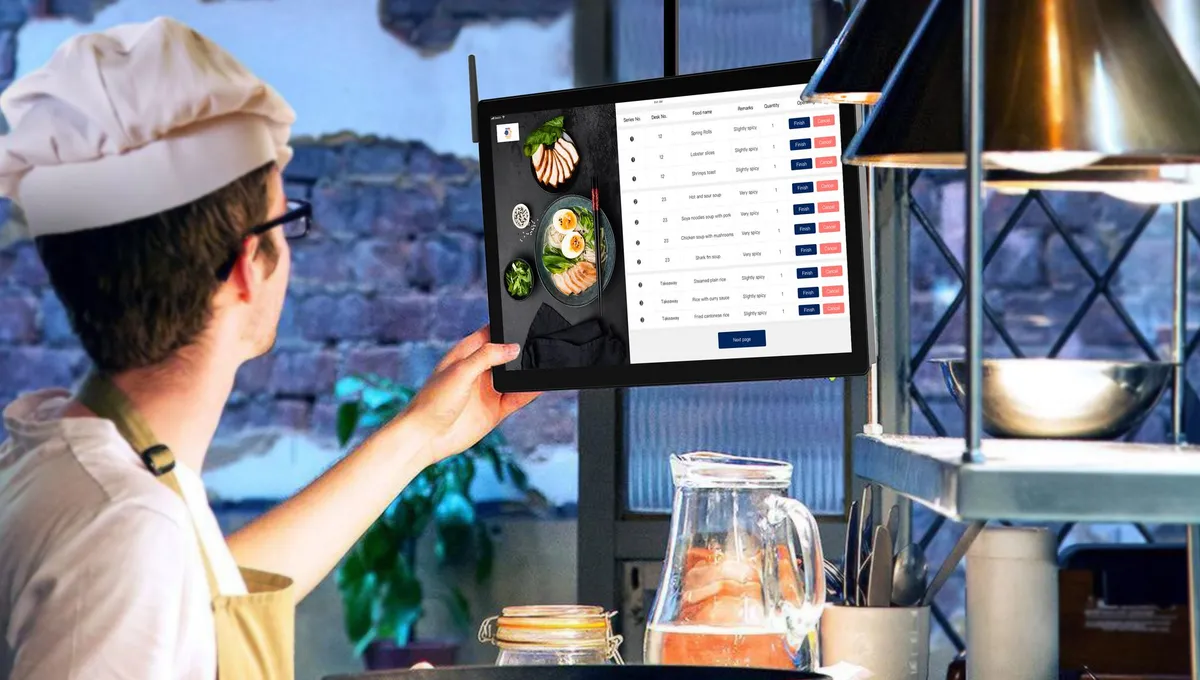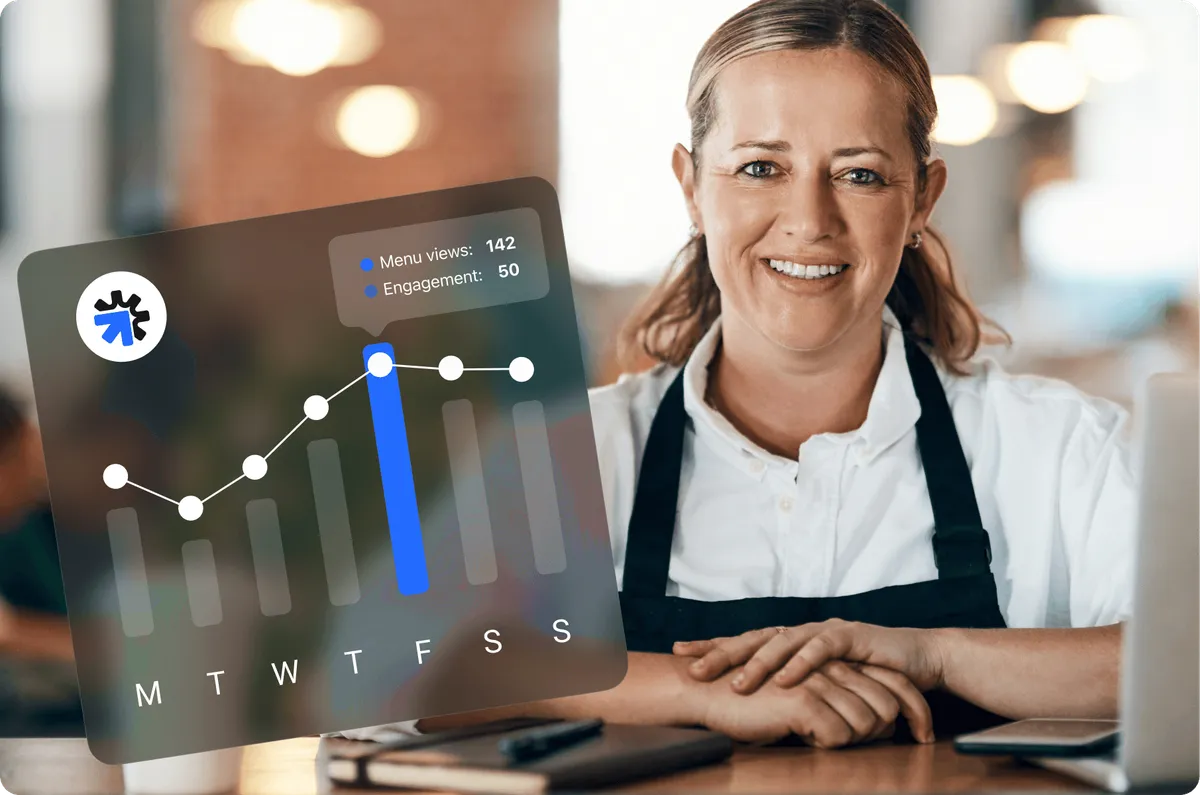
Which items do your guests actually look at? When do they open the menu? Where do they hesitate? Your store produces data every single day. The question is whether you see it.
What "data" means in practice
In a hospitality business, data is simply information generated by everyday operations. It covers everything that happens in your store, from guest choices to how they interact with the menu.
Data gets created constantly, even when nobody records it on purpose. Every time a guest looks, compares or picks something, they leave information behind. Too often, that information gets lost in the daily routine.
In practice, data is about guest behavior: how they move, what catches their eye, where they hesitate, how they decide. Understanding this is the first step toward conscious decisions and real improvements.
What data a store creates
Every time guests interact with your menu, they generate valuable information. Some items get viewed again and again, while others are skipped without a second thought. That gap shows what truly interests your guest, and what fails to speak to them.
How long guests spend on the menu, and when they open it, reveals a lot about their experience. Some give it a few seconds, others come back to compare. The timing shows exactly where a guest needs more guidance or reassurance.
Modern menus quietly answer questions your staff used to handle. Dish contents, suggestions, extra details: it all becomes part of the experience without direct intervention.
When and how guests interact with the menu
First contact with the menu usually happens early. At this stage the goal is not to decide. The guest wants a quick picture: what the options are, and whether the menu makes sense to them.
As the visit unfolds, the guest returns to the menu in a different mindset. With a first impression formed, they seek confirmation, compare options and try to lock in a decision. Here the menu works as a reassurance tool and directly shapes the final choice.
Why the information gets lost, and how that changes
This data always existed in your store's daily operation, but it was never this visible. Guest choices, hesitations and habits sat quietly in the background, leaving the owner without a clear picture.
In the rush of a busy day, your attention naturally goes to the outcome. So you miss the guest's journey to the decision, and the signals showing what works and what does not.
Changing this takes no complicated processes. What makes the difference is a better view. When you see guest behavior as part of a complete experience, you make conscious decisions.
From information to strategy
Information alone is not enough. It gains value only when it turns into strategic thinking. When data points connect, they stop being plain numbers and become a guide for improving the experience.
For you, this means seeing your store through the guest's journey: what works, what needs adjusting, where the opportunities hide. That is where information becomes a strategy tool.
Once you start seeing your store through your guest's eyes, the information starts to mean something.